In building social cohesion, churches are encouraged to reach out to their neighbours of other faith traditions to acknowledge their holy days. It might be a phone call, a card, an email. Churches may wish to offer a notice in the weekly announcements or church news.
Sunday 8 November 2026
Bandi Chhor Divas (Diwali).
Faith: Sikhism
Sikh Interfaith Council of Victoria (lists Gurdwaras in Victoria)
PO Box 97, Pakenham, VIC 3130
+61 431 203 177, info@sicv.org.au
Summary
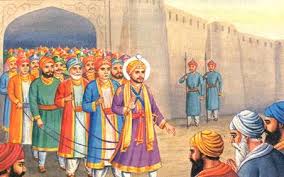
Bandi Chhor Divas, or ‘The Celebration of Freedom’, ‘Day of Liberation’ or ‘Prisoner release day’ is a major Sikh festival that commemorates the release in 1619 CE from prison of Sri Guru Hargobind Ji, the sixth Sikh Guru, Guru Hargobind Ji, and 52 other imprisoned leaders, from the Mughal-controlled Gwalior Fort. Bandhi Chhor is so named because the imprisoned ones (Bandhi) were released (Chhor) by Guru Ji.
Historical
Mughal Emperor Jahangir had imprisoned Guru Hargobind Ji at Gwalior Fort because he and other religious leaders viewed the Guru’s growing spiritual influence and the building of a military force (Akal Takht) as a threat. At that time, Sikhism had become the fastest growing religion. The Mughal ordered Guru Ji to be detained in Gwalior fort in 1612 AD. Alongside the Guru, 52 Rajput kings and princes were also unjustly detained in the fort. They had been stripped of their kingdoms by the Mogul Emperor Jahangir and were being ill-treated. They were not provided with sufficient food and nor with clean clothes to wear. When Jahangir finally ordered the Guru’s release, the kind Guru Hargobind Ji refused to leave the fort on his own and demanded release of the other 52 Hindu Kings imprisoned with him. The authorities were cunning and tried to limit the release by stating that only princes who could physically hold onto the Guru’s cloak could leave. Guru Hargobind Sahib Ji ordered a special cloak to be made with 52 tassels. Then, 52 pieces of cloth of different lengths were then tied to each tassel and each prisoner held one of these and walked to freedom.
Upon the Guru’s return to the Golden Temple (Harmandir Sahib) in Amritsar, the local population illuminated the entire city with oil lamps and candles to welcome him, such had never been done before. There was much joy and celebration. Because the historical event happened around the same time as the Hindu festival of Diwali, Bandi Chhor Divas is celebrated on the same day (in October or November) based on the lunar calendar, recogning when the Guru Hargobind Ji reached Amritsar.
Connection for Christian Churches
The remembrance of Guru Hargobind Ji securing freedom for 52 other imprisoned rulers offers a particularly meaningful connection with shared commitments to freedom, justice and solidarity.
A warm greeting can honour the Sikh celebration in its own terms, express appreciation for your neighbours, and open a door to friendship.
A church greeting for Bandi Chhor Divas
(feel free to adapt for your own circumstances)
Dear friends at [name of Gurdwara / Sikh community],
Warm greetings for Bandi Chhor Divas
On behalf of [name of church], we send warm greetings to you and your families as you celebrate Bandi Chhor Divas.
As you remember the release of Sri Guru Hargobind Ji and his insistence that others imprisoned alongside him should also be freed, we honour this powerful story of compassion, courage and commitment to the freedom of others. It offers an invitation to us all to look beyond our own wellbeing and stand alongside those experiencing injustice.
As your Christian neighbours, we value the gifts your community brings to our shared life, including the Sikh traditions of generous hospitality, service and care for others.
May this holy celebration bring joy to your community, renew hope, and strengthen the bonds of family and friendship.
We would welcome opportunities to get to know one another better, learn from you, and work together towards a neighbourhood where everyone experiences dignity, belonging and peace.
With warm wishes and friendship,
[Name]
[Role]
[Church]
[Contact details]
If this is a first contact, you could make the invitation more concrete: “We would be grateful for an opportunity to visit, meet members of your community, and learn more about your faith and life together.”