Categories
News Sandy's Comments

A meeting of two leaders

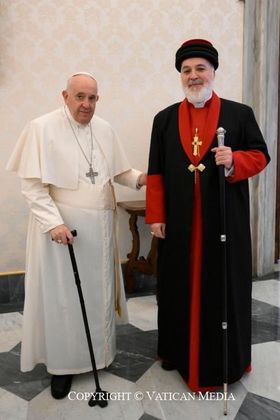
In April 2022, His Holiness Mar Awa III, elected Catholicos-Patriarch of the Assyrian Church of the East in September 2021, visited Australia.

The Assyrian Church of the East is an eastern Christian Church with historic roots in disputes over the Ecumenical Councils of Ephesus and Chalcedon, and is a member church of the Victorian Council of Churches.

On Saturday morning, November 19, 2022, he was received by His Holiness Pope Francis at the Apostolic Palace in the Vatican. He was accompanied by a delegation, in Rome from Nov 16-19th for the annual meeting of the Joint Commission for Theological Dialogue Between the Catholic Church and the Assyrian Church of the East.

The Patriarch offered a gift to the Pope which consisted of a stylistic Cross of the Assyrian Church of the East handmade in wood, and in turn, the Pope gifted a part of the relics of the Apostle St. Thomas to the Patriarch for the new Patriarchal Basilica of the Holy Apostles in Erbil, Iraq.

The meeting was very fraternal, and many issues concerning the Christians of the Middle East were discussed, along with matters centered around the ecumenical relations between the two Churches, and other sister Christian Churches as well.

Pope urges Catholics, Assyrian Christians to continue on common journey by Christopher Wells

In his address on Saturday, Pope Francis noted the growth in the relationship between the Catholic Church and the Assyrian Church in recent decades, recalling the visits of Mar Awa’s predecessors Mar Dinkha IV and Mar Gewargis III, and the signing of documents including the Common Christological Declaration and a Statement on the situation of Christians in the Middle East.
The Holy Father also expressed his appreciation for the work of the Mixed Commission for Theological Dialogue between the two Churches, highlighting a study on the Anaphora [Eucharistic Prayer] of the Apostles Addai and Mari, which allowed some reciprocal admission to the Eucharist in specific circumstances; as well as a Common Declaration on the Sacramental life.
“Your meetings and dialogues have, with the help of God, borne good fruit and fostered pastoral cooperation for the benefit of our faithful, a pastoral ecumenism that is the natural way towards full unity.”
The Pope also praised their current work on “images of the Church in the Syriac and Latin patristic tradition,” noting the tendency of the Church Fathers to speak of the Church using the “simple and universally accessible” language of images, following the example of Jesus. He emphasized the importance for faithful of both Churches not only to return to their roots, but to bear witness together to “the mystery of the love between Christ and His bride, the Church.”
In this regard, Pope Francis pointed to the many things the two Churches have in common, including a common history of faith and mission, great saints, a rich theological and liturgical patrimony, and, especially in recent decades, the witness of martyrs. In the historic home of the Assyrian Church in the Middle East, many Christians have been forced to leave their homelands, while many others have struggled to remain. With Mar Awa, Pope Francis renewed his appeal for the rights of those Christians – especially the right to religious liberty and the right to full citizenship – to be respected.
Noting that the faithful of both Churches already, in some places, live in almost full communion, Pope Francis said this is “a sign of the times, a powerful incentive for us to pray and to work diligently in preparation for the much awaited day when we can celebrate together the Eucharist, the holy Qurbana, at the same altar, as the fulfilment of the unity of our Churches.”
Looking ahead to Mar Awa’s talk on synodality in the Syriac tradition, Pope Francis insisted that “the journey of synodality undertaken by the Catholic Church is and must be ecumenical, just as the ecumenical journey is synodal. It is my hope that we can pursue, ever more fraternally and concretely, our own syn-odos, our ‘common journey’, by encountering one another, showing concern for one another sharing our hopes and struggles, and above all… our prayer and praise of the Lord.”
In particular, he thanked Mar Awa for his desire to find a common date for Easter, ensuring the Catholicos-Patriarch that the Catholic Church is ready to accept any proposal that is made together. “Let us have the courage to put an end to this division…” the Pope said, adding, “The sign we should give is: one Christ for all of us.” And he expressed a dream that the separation between the Assyrian Church of the East and the Catholic Church, “the longest in the history of the Church” might be “the first to be resolved.”
Pope Francis concluded his address by entrusting the journey towards full unity to “the intercession of the martyrs and saints who, already united in heaven, encourage our progress here on earth.” And he offered to Mar Awa the gift of a relic of the Apostle Saint Thomas, associated with the foundation of the churches in Assyria, which will be placed in the new Patriarchal Cathedral of the Assyrian Church in the East in Erbil, Iraq.
“May Saint Thomas, who touched with his hand the wounds of the Lord, hasten the complete healing of our wounds from the past,” the Pope said, “so that soon we may be able to acknowledge around the same Eucharistic altar the crucified and risen Christ, and say to Him, together: ‘My Lord and my God!’”

Thanks to Samir (Melbourne Assyrian Church of the East) for the news.

Categories
News Sandy's Comments

Welcome to Marthoma Bishop

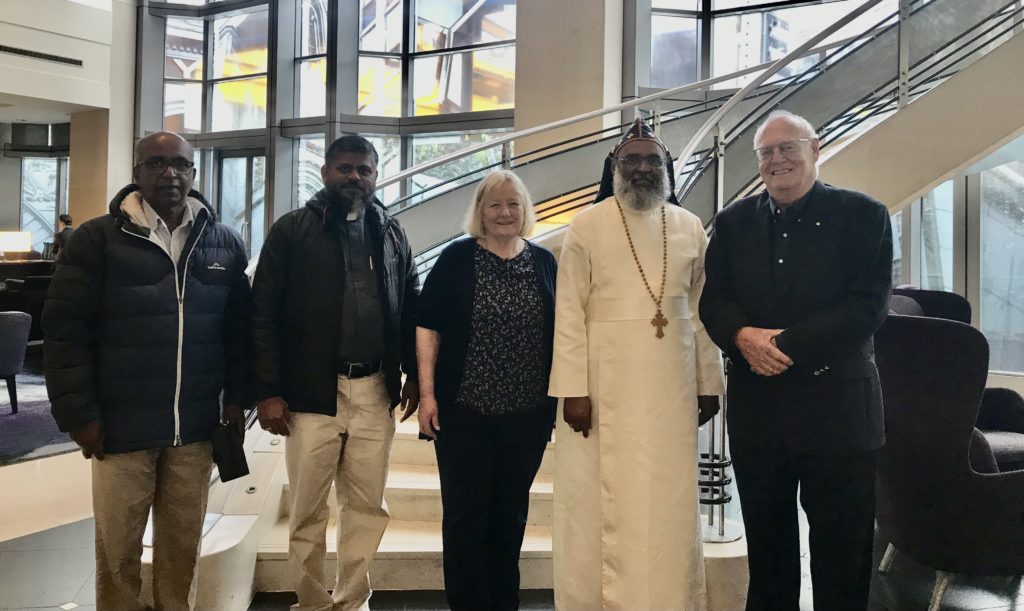
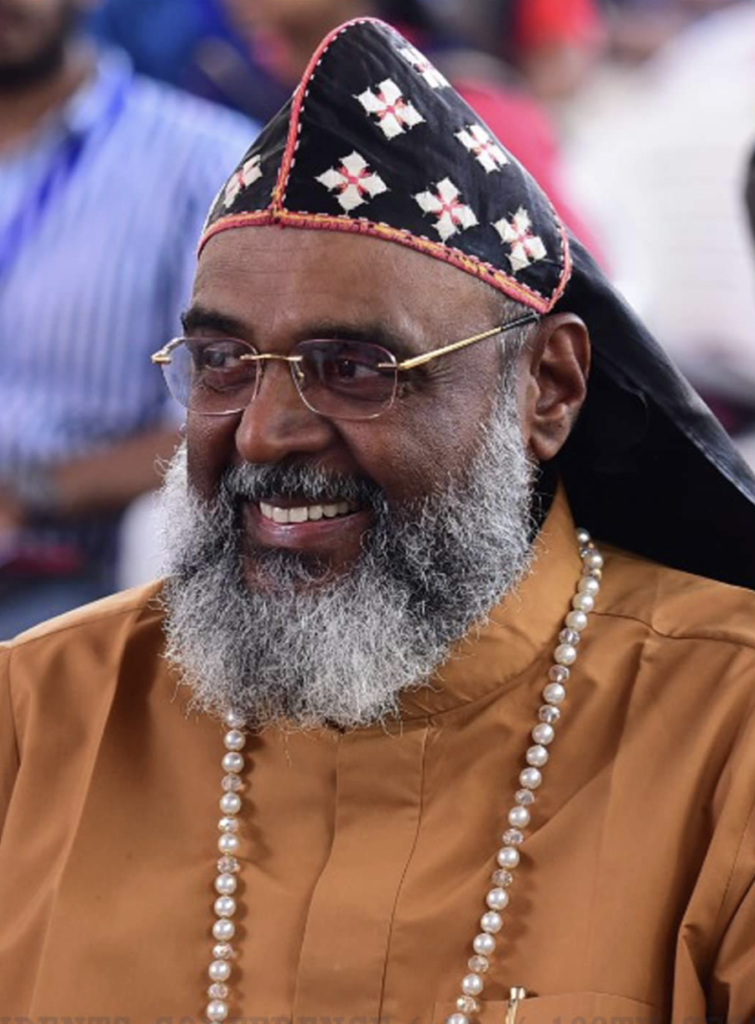
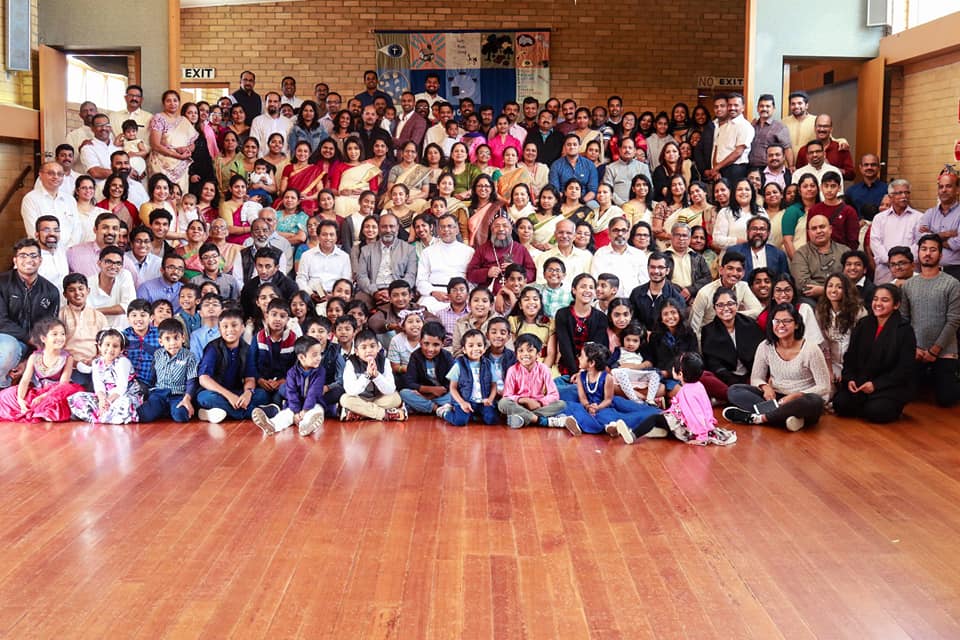
It was a pleasure to meet Rt. Rev. Dr. Gregorios Mar Stephanos Episcopa (Bishop) who is currently visiting Marthoma congregations in Australia. Bishop Gregorios Mar Stephanos is the inaugural Bishop of the new Marthoma Diocese of Australia, New Zealand, Malaysia and Singapore.

  • Ordained as Deacon 27th June 1986
  • Ordained as Kassessa (clergy priest) 30th July 1986
  • Ordained as Ramban 7th May 2011. A Ramban is a priest of the Jacobite Church, who is unmarried and leads a monastic life in a place of prayer called a Dayara.
  • Consecrated as Episcopa (Bishop) 13th August 2011

The Malankara Mar Thoma Syrian Church, often shortened to Mar Thoma Church, and known also as the Reformed Syrian Church and the Mar Thoma Syrian Church of Malabar, is an autonomous Reformed Oriental church based in Kerala, India. While continuing many of the Syriac high church practices, the church is reformed in its theology and doctrines. It employs a reformed variant of the West Syriac Rite Divine Liturgy of Saint James, translated to Malayalam, the language of Kerala.

The Mar Thoma Church sees itself as continuation of the Saint Thomas Christians, a community traditionally believed to have been founded in the first century by Thomas the Apostle, who is known as Mar Thoma (Saint Thomas) in Syriac, and describes itself as “Apostolic in origin, Universal in nature, Biblical in faith, Evangelical in principle, Ecumenical in outlook, Oriental in worship, Democratic in function, and Episcopal in character”.

Until the beginning of the 20th century, Mar Thoma Christians lived in a few districts in Kerala. Since that time they have spread with the Indian diaspora to many places around the world, including Australia.

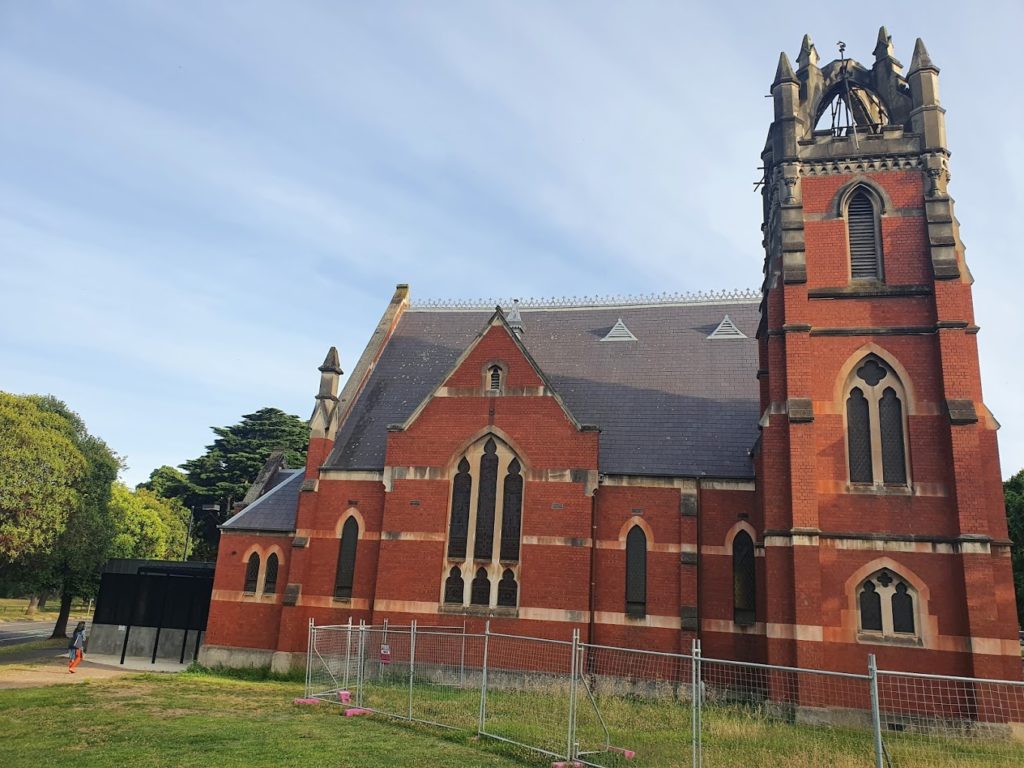
The Marthoma church has two congregations in Victoria – Parkville and Immanuel Marthoma Church (website here), Hampton Park.

149 Royal Parade, Parkville
Congregation at Immanuel Marthoma, Hampton Park (from the church’s Facebook page)

(More information on Wikipedia).

Categories
News Sandy's Comments

Multicultural and Multifaith Law Reform

Premier Daniel Andrews has announced plans to form a new Multicultural and Multifaith Law Reform Consultative Committee made up of legal experts, community and faith leaders to advise the Attorney-General on law reform.

An expression of interest process will be open to all members of the Victorian community.

The Committee will look at legislation through a cultural and religious lens to ensure laws give all multicultural and faith communities the ability to contribute to the state, free from discrimination and racism.

Furthermore, a re-elected Labor Government plans to strengthen the Racial and Religious Tolerance Act 2001 to make it easier to prosecute any individual who incites hatred or bigotry based on someone’s faith or skin colour.

In recent years there has been a rise of neo-Nazi right wing extremism in Victoria, which has led to the rise of Islamophobia, anti-Semitism, and racism in the state.

Attorney-General Jaclyn Symes explained, “Recent events have shown the Racial and Religious Tolerance Act does not do enough to protect Victorians from multicultural backgrounds.”

Strengthening these laws will allow for greater protection of multicultural and faith communities in Victoria. It will ensure more prosecutions against those who incite hatred or racism against a person or group based on their cultural background or religious belief is prosecuted.

Categories
News Sandy's Comments

COP27 – Sharm El Sheikh

COP 27 starts this Sunday in Sharm El Sheikh, Egypt. You can follow proceedings on the website, https://unfccc.int/cop27

With an upcoming election, Victorians are being encouraged to write to candidates to ask them to support the letter endorsed by faith leaders (including the VCC) – see below. Letter writing resources available here.

Dear Prime Minister Albanese

We are grateful for your Government’s efforts to take the climate crisis seriously. 

Yet Australia is a wealthy country that profits from exports that are causing the crisis. We hear the cries of anguish from those most vulnerable in the human family who are losing their lives, livelihoods and homes through climate-fuelled disasters. 

We humbly and respectfully request that Australia:

  • Stops approving new coal and gas projects
  • Ends public subsidies for coal and gas projects
  • Fully respects First Nations peoples’ rights to protect Country
  • Re-starts contributions to the United Nations Green Climate Fund
  • Assists extractive industry workers to prosper through jobs in sustainable industries
  • Actively participates in creating and endorses a Fossil Fuel Non-Proliferation Treaty.

The current level of warming is not safe. This moment in history calls for an urgent, courageous, visionary response, especially from those in power. Australia’s leadership in this response, as part of its First Nations Foreign Policy, is vital for the vulnerable communities and ecosystems who depend on it. 

Yours faithfully, 

First Nations and Australian and Pacific faith leaders

The Most Reverend Geoffrey Smith, Archbishop of Adelaide and Primate, Anglican Church in Australia

The Most Reverend Philip Richardson, Bishop, Diocese of Waikato and Taranaki; Archbishop and Primate, Anglican Church of Aotearoa, New Zealand and Polynesia

His Eminence, Cardinal Sir John Ribat, KBE MSC, Cardinal, Archbishop of Port Moresby

The Most Reverend Leonard Dawea, Archbishop, Anglican Church of Melanesia, Solomon Islands

Reverend James Bhagwan, General Secretary, Pacific Conference of Churches 

Reverend Father Soane Fotutata msc, General Secretary, Episcopal Conference of the Pacific (CEPAC)

Reverend John Gilmore, President, National Council of Churches in Australia

His Eminence, Dr Ibrahim Abu Mohammed, Grand Mufti of Australia

Imam Shadi Alsuleiman, President, Australian National Imams Council

Reverend Sharon Hollis, President, Uniting Church in Australia, Assembly

Reverend Mark Kickett, Chair, Uniting Aboriginal and Islander Christian Congress Australia

Uncle John Lochowiak, Chairperson, National Aboriginal & Torres Strait Islander Catholic Council

Reverend Dr (Hon.) Raymond Minniecon, Co-Chair, Indigenous Peoples Organisation; Scarred Tree Ministries, Glebe, NSW

Mr Prakash Mehta, President, Hindu Council of Australia

The Most Reverend Peter Loy Chong, Archbishop of Suva Catholic Diocese

The Most Reverend Mark Coleridge, Archbishop of Brisbane Catholic Diocese

The Most Reverend  Patrick O’Regan, Archbishop of Adelaide Catholic Diocese

The Most Reverend Kay Goldsworthy, Archbishop of Perth Anglican Diocese

Bruce Henry, Presiding Clerk, Religious Society of Friends (Quakers) in Australia

Charlie Hogg, Coordinator, Brahma Kumaris Australia

Professor Anne Poelina (Nyikina Warawa), First Nations Guardian and Custodian Martuwarra Fitzroy River 

Aunty Togiab McRose Elu, Torres Strait Islander Elder, recipient of the 2021 Queensland Senior Australian of the Year Award

Ms Rikki Dank (Lhudi Noralima), Director, Gudanji For Country, Gudanji Nation

Reverend Dr Benny Giay, Moderator, West Papua Council of Churches

The Right Reverend Dr Jack Urame, Evangelical Lutheran Church of Papua New Guinea 

Reverend Rusiate Tuidrakulu, General Secretary, South Pacific Association of Theological Schools 

The Very Reverend Quyen Vu SJ, Congregational Leader, The Society of Jesus in Australia (Australian Jesuits) 

Dr Gawaine Powell Davies, President, Federation of Australian Buddhist Councils; Chair, Buddhist Council of NSW

Rabbi Nicole Roberts, Chair, Assembly of Rabbis and Cantors of Australia, New Zealand and Asia

Venerable Thich Quang Ba, Founding President, United Vietnamese Buddhist Congregation of Canberra; Co-President, International Buddhist Confederation; Former President, Australian Sangha Association

Venerable Ajahn Brahmavamso, Abbott, Bodhinyana Monastery, WA

Sister Anne Lane pbvm, President, Society of Presentation Sisters of Australia and Papua New Guinea 

Sister Eveline Crotty rsm, Institute Leader, Institute of Sisters of Mercy of Australia and Papua New Guinea 

Sister Monica Cavanagh sosj, Congregational Leader, Sisters of St Joseph of the Sacred Heart

Reverend Dr Bruce Yeates, Moderator, Presbyterian Church of Fiji

Reverend Taualo Penivao, General Secretary, Ekalesia Kelisiano Tuvalu

Reverend Dr Tevita Havea, President, Free Wesleyan Church of Tonga 

Reverend Dr Eteuati S. L. Tuioti, General Secretary, Methodist Church in Samoa

Reverend Vavatau Taufao, General Secretary, Congregational Christian Church Samoa

Very Rev Fr Dr Shenouda Mansour, General Secretary, New South Wales Ecumenical Council, Parish Priest, St Antonius & St Paul Coptic Orthodox Church, Guildford, NSW

Dr Rateb Jneid, President, Australian Federation of Islamic Councils

Abbas Raza Alvi, President, Indian Crescent Society of Australia

The Most Reverend Vincent Long Van Nguyen ofm conv, Bishop of Parramatta Catholic Diocese

The Most Reverend Timothy Harris, Bishop of Townsville Catholic Diocese

The Right Reverend Dr Keith Joseph, Bishop, Anglican Church North Queensland

Mr Mahanbir Grewal, Founder and President, Guru Nanak Society of Australia

Rabbi Jonathan Keren-Black, Environmental Advisor, Assembly of Rabbis and Cantors, Australia and New Zealand

Pastor Rob Buckingham, Senior Minister, Bayside Church (Pentecostal)

Dr Shailesh Kumar Diwedi, Hindu priest Canberra

The Most Reverend Paul Bird CScR, Bishop of Ballarat Catholic Diocese

The Most Reverend Charles Gauci, Bishop of the Catholic Diocese of Darwin and the NT

The Right Reverend Kate Prowd, Assistant Bishop, Oodthenong Episcopate, Anglican Diocese of Melbourne

The Right Reverend Paul Barker, Assistant Bishop, Anglican Diocese of Melbourne

The Right Reverend Genieve Blackwell, Assistant Bishop, Anglican Diocese of Melbourne

Ms Anne Walker, National Executive Director, Catholic Religious Australia

Mrs Philippa Rowland, Chair, Religions for Peace Australia

Br Christopher John SSF, Minister General, Society of St Francis 

The Right Reverend Cam Venables, Archbishop’s Commissary; Bishop, Anglican Church Southern Queensland

The Right Reverend Jeremy Greaves, Bishop, Anglican Church Southern Queensland

The Right Reverend John Roundhill, Bishop, Anglican Church Southern Queensland

Bishop Philip Huggins, Australian Centre for Christianity and Culture; Anglican Church, Diocese of Melbourne

The Most Reverend Shane Mackinlay, Bishop of Sandhurst Catholic Diocese

Pastor Collin Keleb, Chairman, Vanuatu Christian Council

Reverend Roger Mwareow, Chairman, Nauru Congregational Church

Reverend Nafatali Falealii, General Secretary, Congregational Christian Church in American Samoa 

Pastor Jeledrick Binejal, General Secretary, United Church of Christ Congregations, Marshall Islands 

Pastor Var Kaemo, President, Eglise Protestante du Kanaky, Nouvelle Caledonie  

Mr Nga Mataio, General Secretary, Cook Islands Christian Church

Mrs Céline Hoiore, General Secretary,  Etaretia Poritetani Maohi, Maohi Nui 

Jessiee Kaur Singh, President, WIN Foundation (Women’s Interfaith Network); President, COMMON Australia

Mr Adel Salman, President, Islamic Council of Victoria

Rabbi Shoshana Kaminsky, Beit Shalom Synagogue, Adelaide

Venerable Bhante Sujato, SuttaCentral, Theravada tradition

Sister Margaret Guy rsc, Vicar, Congregation of the Sisters of Charity

Reverend Trevor Trotter, Regional Director, St Columban’s Mission Society, Melbourne

Sister Louise Cleary, Congregational Leader, Brigidine Sisters

Reverend Peter O’Neill, Leader, St Columbans Mission Society, Melbourne

Father Tom McDonough CP, Provincial Superior, The Passionists of Holy Spirit Province 

Reverend Dr Peter Catt, Dean, St John’s Anglican Cathedral, Brisbane

Mrs Balbir Grewal, Treasurer, Guru Nanak Society of Australia

Professor Anthony Maher, Executive Director, Australian Centre for Christianity and Culture, Charles Sturt University

Professor Neil Ormerod, Sydney College of Divinity

Professor Mohamad Abdalla, Centre for Islamic Thought and Education, University of South Australia

Associate Professor Mehmet Ozalp, Director, Centre for Islamic Studies and Civilisation, Charles Sturt University

Reverend Dr Patrick McInerney, Director, Columban Centre for Christian-Muslim Relations

Reverend Dr Josephine Inkpin, Anglican priest and Minister of Pitt Street Uniting Church, Sydney

Sister Jan Barnett sosj, Josephite Justice Coordinator

Sister Elizabeth Rogerson ibvm, Leadership Team, Loreto Sisters Australia and South East Asia

Subhana Barzaghi,  Zen Buddhist Roshi, Spiritual Director Sydney Zen Centre, Annandale

Gillian Coote, Zen Buddhist Roshi, Sydney Zen Centre, Annandale

Dr Susan Murphy, Zen Buddhist Roshi, Spiritual Director Zen Open Circle (Aust), and Hobart Zen

Kynan Sutherland, Zen Sensei, Spiritual Director Castlemaine Zen, Vic

Reverend Dr David Millikan, Minister Nowra Uniting Church, NSW

Maggie Gluek, Zen Buddhist Roshi, Sydney Zen Centre, Annandale

Reverend Meredith Williams, Minister of the Word, Uniting Church in Australia

Ms Anna Markey, lead teacher, Coast and City Sangha Buddhist Community (SA)

Rabbi Sheryl Nosan, Jewish Spirituality Australia

Rev Dr Linda Chapman OAM

Father Neil Forgie, Anglican Priest, Cairns

Doug Hewitt AM, Leader, Christians for Peace Newcastle NSW, Retired Associate Professor Australian Catholic University

Very Reverend Robert Riedling, St Patrick’s Cathedral, Catholic Diocese of Parramatta

Rev Sandy Boyce, Executive Officer, Victorian Council of Churches

Dharmachari Tejopala Rawls, Triratna Buddhist Order, Melbourne

Rev. Simon Hansford, Moderator, Synod of NSW & the ACT, Uniting Church in Australia

Thea Ormerod, President, Australian Religious Response to Climate Change (ARRCC)
Categories
News Sandy's Comments

Clothing Sustainability

30 October. Rev Philip Liebelt led the Warrnambool Uniting Church Op Shop Annual Service, telling Bartimaeus and Zacchaeus stories, and talking to the children about trash and treasure. The Op Shop has contributed $1,000,000 to the church’s work in the community over the six and a quarter year history of the shop. A great reason to support Op Shops!

As more and more people are waking up to the serious environmental impacts of the fast fashion industry, people around the world are searching for more sustainable ways to shop. This has led to a huge (and very well deserved!) surge in popularity for second-hand clothes.

Australia’s re-use charities are the biggest network diverting clothing from landfill and currently extend the life of $527m worth of preloved clothes.

Jan Donkersloot and Anthea Meadows in the Anglican All Saints op shop

Buying second-hand clothes helps to keep them in circulation for much longer. This is good for you, and it’s also better for the planet.

The fashion industry is extremely wasteful. Australians buy almost 15kg of clothes every year (or 56 new items) every year and most of it ends up in landfill, according to a recent report, making Australia one of the highest consumers of textiles per capita in the world. At the other end of the fashion cycle, roughly 260,000 tonnes, or 10kg a person, reaches landfill each year.

Only 7,000 tonnes of textiles are recycled in Australia, a very small percentage of clothing purchased.

On top of the huge amount of landfill, the textile industry also relies heavily on fossil fuels and other chemicals. Globally, 98m tonnes of nonrenewable resources are used in the fashion industry, including oil to produce synthetic fibres, fertilisers to grow cotton, and chemicals to produce dye.

In Australia, two-thirds of clothing is made up of synthetic fibres, which are often derived from petroleum.

One of the best ways to keep clothes out of landfill and reduce their impact is to keep them in circulation for longer. Keeping clothes in use for just an extra 9 months can reduce their carbon, water and waste footprint by 20-30%.

Buying second-hand clothes is a super simple and effective way to extend their active lifespan, keep them in circulation and out of landfill.

And, as we approach Christmas, it might impact on what we purchase, and where we purchase from.

Give thanks for the daily opportunities to serve customers, to pray and give witness to God’s love. Give thanks too for the volunteers who work in op-shops, and for all who donate items.

Sources
The Guardian

Anglican Focus

National Clothing Product Stewardship Scheme

Fashion Journal

How Australia’s op shops are caught up in the cost of living crisis

Categories
News Sandy's Comments

Ohi/Oxi Day

Melbourne has a large Greek population. The Greek Orthodox Church is a member of the Victorian Council of Churches.

October 28th is celebrated by Greek communities around the world as Ohi Day or Oxi Day (Greek: Επέτειος του Όχι, romanized: Epéteios tou Óchi, lit. ’Anniversary of the No’; Greek pronunciation: [eˈpetios tu ˈoçi]).

In 1940 the Greek prime minister Ioannis Metaxas told Italian dictator Benito Mussolini that Axis Forces were not welcome in Greece. He allegedly answered Mussolini’s request to occupy certain territories with a single laconic word: όχι (No!). However, his actual reply was, “Alors, c’est la guerre!” (Then it is war!).

In response to Metaxas’s refusal, Italian troops stationed in Albania, then an Italian protectorate, attacked the Greek border at 05:30 am.

On the morning of 28 October, the Greek population took to the streets, irrespective of political affiliation, shouting ‘ohi’. From 1942, it has been celebrated as Ohi Day.

It is a celebration of resistance, even though it ultimately led to the beginning of Greece’s participation in World War 2.

Reflecting on this, Archbishop Demetrios (U.S.A) wrote:

Beloved Brothers and Sisters in Christ

Our commemoration of OXI Day each year leads us to reflect on a very challenging time in our world and for the people of Greece.  As war was spreading throughout Europe, the Axis forces demanded the surrender of Greece on October 28, 1940.  Bravely and honorably, the Greek people replied, “NO.”   Today, we honor the bravery and sacrifice of our fathers and mothers who stood valiantly against the armies of the fascist powers.  They proclaimed a resolute “NO” to occupation.  The people of Greece affirmed their love of liberty and their right of self-determination.  They saw the evil and unchecked power of fascist regimes, and in their response they committed their lives to protecting their country.  In faith they knew that no matter the outcome they were willing to stand courageously in the face of this threat knowing that ultimately nothing could separate them from the nobility of their heritage and the love of God.

Today, we are inspired by our forbearers as we celebrate their courage and honor their memory.  They said “NO” to those who advanced power and control at any cost.  They stood firm against an ideology and its forces that would only separate them from their freedom, their rights, and their way of life.  We find courage in their example and hope and strength in the promise that neither death, nor life, nor angels, nor principalities, nor things present, nor things to come, nor powers, nor height, nor depth, nor anything else in all creation will be able to separate us from the love of God in Christ Jesus (Romans 8:38-39).

The experience of God’s love and the promise that His love is always with us helped the people of Greece in hope and faith to endure all things (I Corinthians 13:7).  They knew that the power of God’s love was greater than the power of fascist regimes.  They knew that the love of God was essential to their freedom, and to their love for their families and communities, and for their country.

With the assurance and truth of God’s love, we are able to stand firm against any evil use of power or false ideology.  As the people of Greece in 1940 and as many witnesses of our faith have done, we can boldly proclaim “NO” in the face of those who seek to destroy life and liberty, those who use power to abuse and manipulate others, and those who try to separate us from our faith and the love of God.

As we commemorate the valiant people of Greece on OXI Day, and we laud their courage before the world, may we give thanks to God for the witness offered to us and to generations to come. 

Categories
News Sandy's Comments

God’s Squad: 50 years

Sincere condolences to members of God’s Squad who were celebrating 50 years with a ride that ended in tragedy with a fatal accident involving Barry ‘Baz’ Porter. May our God hold him in loving embrace, and comfort those who mourn his passing.

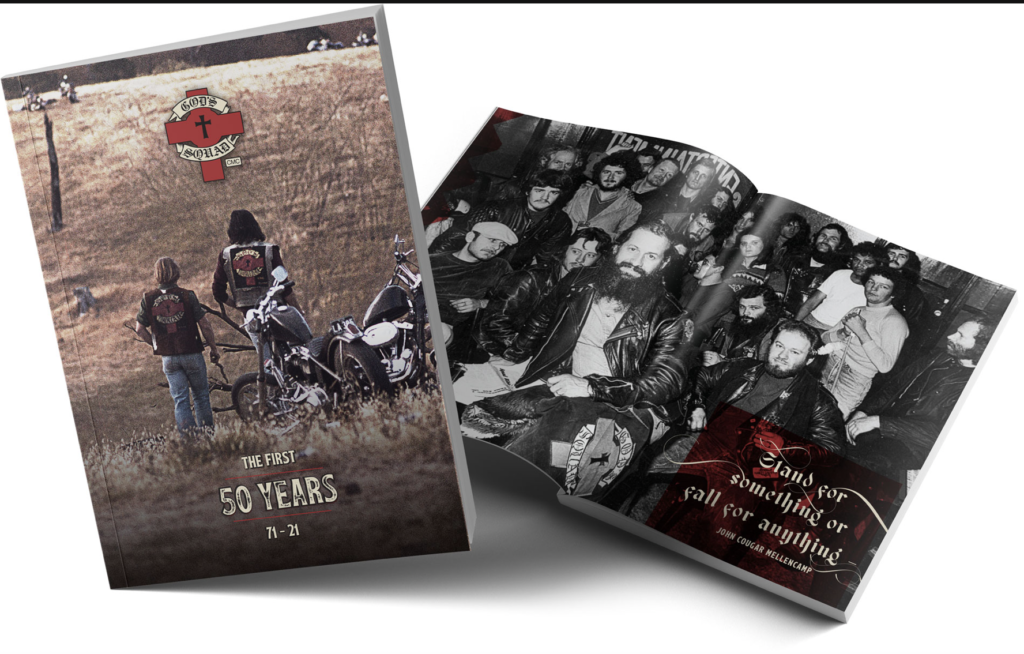
The book launch of ‘The First 50 years’ culminates a project to gather the history of the God’s Squad, from its origins in Sydney in 1971 to the beginning of God’s Squad in 1972 under the leadership of John Smith, with the blessing and guidance of the original Sydney chapter. From that base in Melbourne, God’s Squad spread from Australia, where it has had multiple chapters for many years, throughout Europe, into New Zealand and also the USA.

Since its birth, out of the counterculture Jesus movement days of the late 60s and early 70s God’s Squad has continued, for nearly five decades, to devote its efforts amongst those on the fringes of society. The Club continues to primarily exist to minister among motorcycle clubs and associated groups, where it is an accepted and relevant expression of the Christian Church.

God’s Squad has also maintained a long commitment of service among the poor, advocacy for the rights of first nation people, active ministry in prisons, schools and the public space. All of this is built on a foundation that takes the call of radical discipleship in Christ seriously, which finds its roots in his teaching.

On the occasion of Melbourne Chapter’s 25th anniversary back in 1997, John Smith offered the following reflection on our behalf. This still holds true.

“… our faith and commitment remain stronger than ever. You need a faith to live by and a friend to stand by. Like Jesus, who we follow, we are committed friends of the outcasts of this world. We are friends, not to manipulate our mates to faith – but because we talk and live a faith that is free for all. True love is no weak sentiment – for Christ it led to crucifixion.
To all our mates on the bike scene, we want to say on our Anniversary, we are a club that exists not for ourselves, but for non-members. If you ever need an honest believing friend, we are here for you and so is Christ.
Cheers and God be with you.”

As part of the 50 years celebrations, a Thanksgiving Church service was held on Sunday October 2, hosted at TLC Church, 265 Canterbury Rd, Bayswater North. Tim Costello was the guest preacher. https://www.youtube.com/c/TlcchurchOrgAu

Sources: God’s Squad website and Facebook page

Categories
Sandy's Comments

Open Letter Climate Justice

Many multi-faith leaders in Australia and the Pacific have signed a letter to the Australian Government about climate justice. The letter was released ahead of the multi-faith services held around the world on Thursday 13th October.

Dear Prime Minister Albanese

We are grateful for your Government’s efforts to take the climate crisis seriously.

Yet Australia is a wealthy country that profits from exports that are causing the crisis. We hear the cries of anguish from those most vulnerable in the human family who are losing their lives, livelihoods and homes through climate-fuelled disasters.

We humbly and respectfully request that Australia:

*Stops approving new coal and gas projects
*Ends public subsidies for coal and gas projects
*Fully respects First Nations peoples’ rights to protect Country
*Re-starts contributions to the United Nations Green Climate Fund
*Assists extractive industry workers to prosper through jobs in sustainable industries
*Actively participates in creating and endorses a Fossil Fuel Non-Proliferation Treaty.

The current level of warming is not safe. This moment in history calls for an urgent, courageous, visionary response, especially from those in power. Australia’s leadership in this response, as part of its First Nations Foreign Policy, is vital for the vulnerable communities and ecosystems who depend on it.

Yours faithfully,

Signed by First Nations and Australian and Pacific faith leaders
(see the full list of signatories here)

Background notes to the letter

Categories
News Sandy's Comments

A life of service

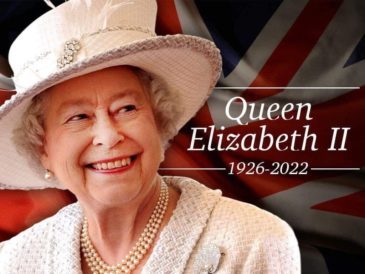
Queen Elizabeth. A life of service and commitment to her people, and to the world*.

May she Rest In Peace and rise in glory.

God of us all,
our life is a moment in time, and you are ever enduring.
As we remember the life of a remarkable person,
we also reflect on the significance of what we offer in the time that we have.

Queen Elizabeth II will always be remembered
for her moment in time, for her service and legacy,
and as a deeply prayerful, devoted, and faithful person.
Her faith sustained her. Her faith formed her.
With your presence and love, she grew in strength
to live out her calling and follow your Way in a position of influence across the globe.
As a woman in leadership, in a time when that was rare,
she modeled a true representation of
‘There is no longer Jew or Greek, there is no longer slave or free,
there is no longer male and female;’ for we are all one in you, Christ Jesus.

We thank you for her leadership that represented
compassion and care for all those across the world.
She created a network looking towards a ‘common wealth’ for all,
and offered space for grace, encouraging disparate relationships to be healed.
She served with dedication and commitment,
but also, through a life of devotion in heart and soul, mind and strength.
We are thankful for her intelligent and thoughtful approach in her living,
her grace and quiet dignity, and her calm and inner strength,
through so many tumultuous moments as well as joys and celebrations.
Thank you for her deep love for all creation and for all your people,
and for continually being aware of what was on the horizon,
and drawing people towards a common goal.

May peace and solace be with all her mourn her.
May your presence and warming Spirit
surround this time of grieving
as change is always unsettling and uncertain.
May we also look to our own moment in your Kairos time
that we, too, listen and learn from you, walk and talk with you,
and grow in calm grace, and stillness of the spirit,
while living with active justice and being people of peace.
To you, we turn, in our grieving of what is passed
and our hope for the future,
knowing you walk before us and draw us forward in love.
Amen

© Rev Anne Hewitt 09/09/2022
This prayer may be shared as long as the original writer is credited.

* yes, there are many issues to discuss about royalty, about colonisation, about wealth – but for now, let us honour the life of this woman who faithfully took on the duties of office for 70 years.

Categories
News Sandy's Comments

Slavery – then and now

August 23rd is International Day for the remembrance of the slave trade and its abolition.

Article 1 of the United Nations Slavery Convention defines slavery as “the status or condition of a person over whom any or all of the powers attaching to the right of ownership are exercised”.

There is MUCH to explore in the history of slavery in Australia, for Aboriginal people, Pacific Islanders and others (eg coolies from China) but a summary will suffice at this point. Prayers are included at the end. 

Australia’s slavery started because other countries abolished it.

In 1833, the British government passed the Slavery Abolition Act, which outlawed slavery in most parts of the empire. After the abolition of slavery, the British Government had to take out one of the largest loans in history, to finance the slave compensation package required by the 1833 act, which represented 40% of the government’s yearly income in those days, equivalent to some £300bn today.paid millions in compensation. But it all went to slave owners who were being compensated for the loss of what had, until then, been considered their property. Nothing went to those enslaved, nor was there a single word of apology to the people who had been enslaved.

Some of the former slave owners used their compensation money to emigrate to Australia and buy up land, and slavery remained part of their business strategy.

Aboriginal people were blackbirded and used in the pearling, sugar cane and cattle industries. They suffered terrible abuse and were denied their wages. They were forced into indentured servitude and had their wages stolen. In Western Australia, most employers weren’t legally required to pay Aboriginal workers at all until the 1940s, so long as they provided rations, clothing and blankets.

“It is true that Australia was not a ‘slave state’ in the manner of the American South,” writes Stephen Gray in the Australian Indigenous Law Review. “Nevertheless, employers exercised a high degree of control over ‘their’ Aboriginal workers who were, in some cases, bought and sold as chattels … Employers exercised a form of ‘legal coercion’ over their workers in a manner consistent with the legal interpretation of slavery.” (see more here)

Another example of slavery was the practice of ‘blackbirding‘ Pacific Islander people to work on sugar cane plantations in Queensland. At least 50,000 people, mostly men, from 80 Melanesian islands were brought by boat to work in Australia’s agriculture, maritime and sugar industries. Some went voluntarily but many were coerced or kidnapped. Their wages were less than a third of other workers. The practice was sanctioned by various Queensland laws from the mid-1860s to 1904. Several members of parliament grew wealthy through this system. When the White Australia policy was enacted in 1901, the government ordered the mass deportation of all South Sea Islander people, sparking outrage among those who had built lives on the mainland and wished to stay. Ultimately, around 5000 workers were forcibly deported. In a cruel twist of fate, their deportations were funded by the wages of deceased South Sea Islanders, whose estates were controlled by the government.

Global slavery is not just an historical fact. Modern slavery includes human trafficking, slavery and slavery-like practices. It is estimated that 40.3 million men, women and children around the world are subject to modern slavery. 

It is estimated that 15,000 people are subject to modern slavery in Australia, including sex trafficking, forced marriage and forced labour. Victims are often described as being “hidden in plain sight” – working in agriculture or food processing, hospitality, construction or cleaning.

Wikipedia resources here.

Modern day slavery also happens through the supply chains of Australian companies operating overseas. The global systems and supply chains create demand and make the profit. The world’s supply chains require an escalating work force to match a demand for low cost products fuel the need for cheap labour. Every time we buy we are a link in the chain. The systems and supply chains need disrupting if we are ever going to prevent human trafficking. We are each a part of these supply chains, and need to be diligent to make sure the things we purchase are slave-free. 

In 2018, the Federal Government in Australia passed its first Modern Slavery Act. Under the Act, businesses and not-for-profits operating in Australia with a global revenue of more than $100 million must report what they are doing to stamp out slavery in their supply chains, both domestically and overseas. The hope is that the reporting requirement will bring greater scrutiny and accountability around the human cost of our consumption.  

A prayer (source: Australian Catholic Anti-Slavery Network, ACAN)

We pray for the victims of human trafficking that they may be brought to freedom and rebuild their lives after the traumatic experiences they have suffered.

(We pray that St Josephine Bakhita*, sold into slavery as a child, intercedes with God for those trapped in a state of slavery, so that they will be released from the shackles of captivity). 

We pray for all those who are dedicated to eradicating modern slavery and human trafficking that they will have the courage and strength to reach out and overcome challenges.

We pray that by our actions as consumers we always reject as gravely wrong any goods or services tainted with slavery.

We pray for our governments that their laws will protect victims of human trafficking and reject goods and services from sources associated with slavery and forced labour.

We pray that the Church will continue to defend and free victims of human trafficking and be a source of love, hope and faith to bring the vulnerable and enslaved to find healing for their wounds. Amen.

(St Josephine Bakhita is the patron saint of victims of modern slavery and human trafficking. Her feast day is February 8th)

PRAYER
Lord, in this moment I stand beside every victim who has been human trafficked.
In this moment, I know you bear their excruciating fear, hurt and pain. 
May they feel your peace and grace wash over them.
I pray for justice to be served.
I pray for their release from the unbearable dehumanization, 
anguish and humiliation they feel.
I pray for their liberation from being held captive against their will, 
and by your grace for Good Samaritans to restore their lives.
I pray for the healing of victims and for their loved ones.
I pray as part of a united, worldwide movement for the empowerment and ability of all people of goodwill everywhere to put an end to human trafficking.
I pray never to forget what it feels like to be in this moment; 
to stand in solidarity with victims of human trafficking consumed with fear and pain.
I pray you will use me in some way to help end this human tragedy.
Lord I have faith that your presence, your love, 
and your spiritual embrace will always be with the victims of human trafficking.
Lord God, heavenly King, almighty God and Father, hear my prayer.Amen.
(Source: Global Freedom Network, adapted)

Reading (verses from Isaiah 65)
The LORD said ‘For I am about to create new heavens and a new earth; the former things shall not be remembered or come to mind. But be glad and rejoice for ever in what I am creating;
for I am about to create Jerusalem as a joy, and its people as a delight.
No more shall the sound of weeping be heard in it,
or the cry of distress.
No more shall there be in it an infant that lives but a few days, or an old person who does not live out a lifetime.
They shall build houses and inhabit them;
they shall plant vineyards and eat their fruit.
They shall not build and another inhabit;
they shall not plant and another eat.
They shall not labour in vain, or bear children for calamity. Before they call I will answer,
while they are yet speaking I will hear.

UCA Vic/Tas report
ACAN website

15th September 2022 EU Commission moves to ban products made with forced labour on the EU market.
The Commission has proposed to prohibit products made with forced labour on the EU market. The proposal covers all products, namely those made in the EU for domestic consumption and exports, and imported goods, without targeting specific companies or industries. This comprehensive approach is important because an estimated 27.6 million people are in forced labour, in many industries and in every continent. That is an 11% increase from 2016 estimates.
There are similar proposals being considered in many jurisdictions around the world. There is an urgency to tackle modern slavery that cannot be ignored. Read more here.